Graduation projects
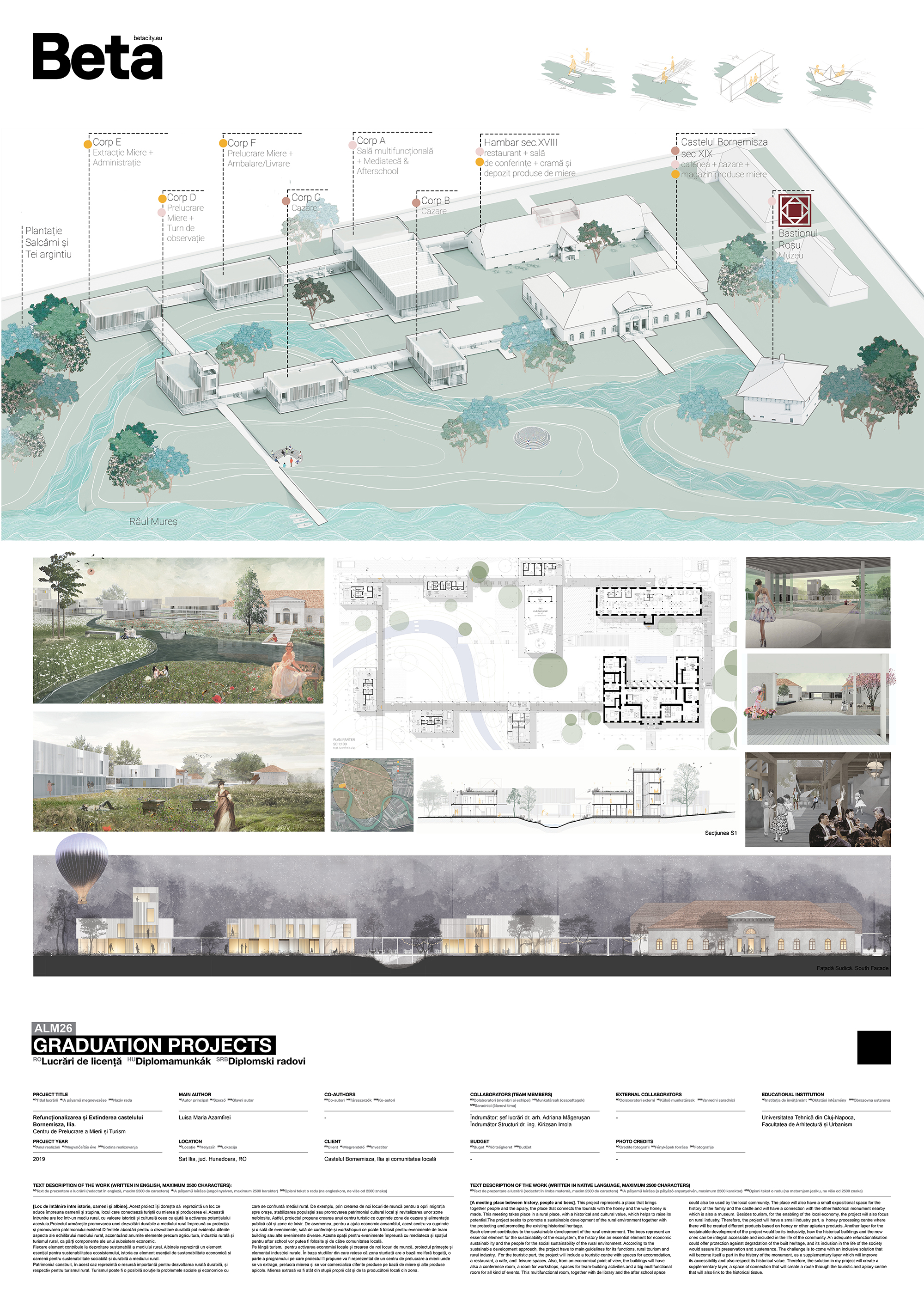
Refurbishment and Extension of Bornemisza castle, Ilia Touristic and Honey Processing Centre.

Project description
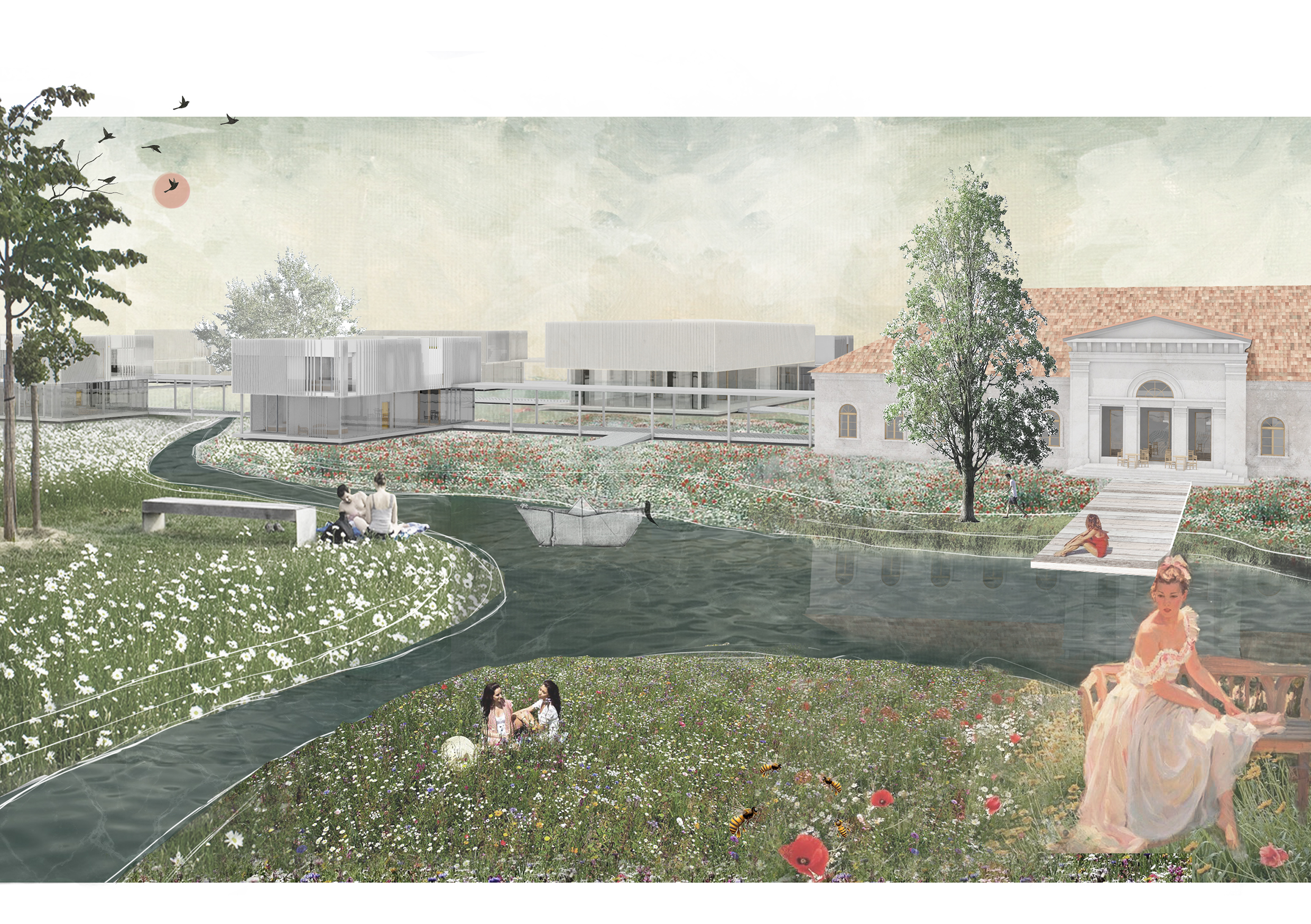
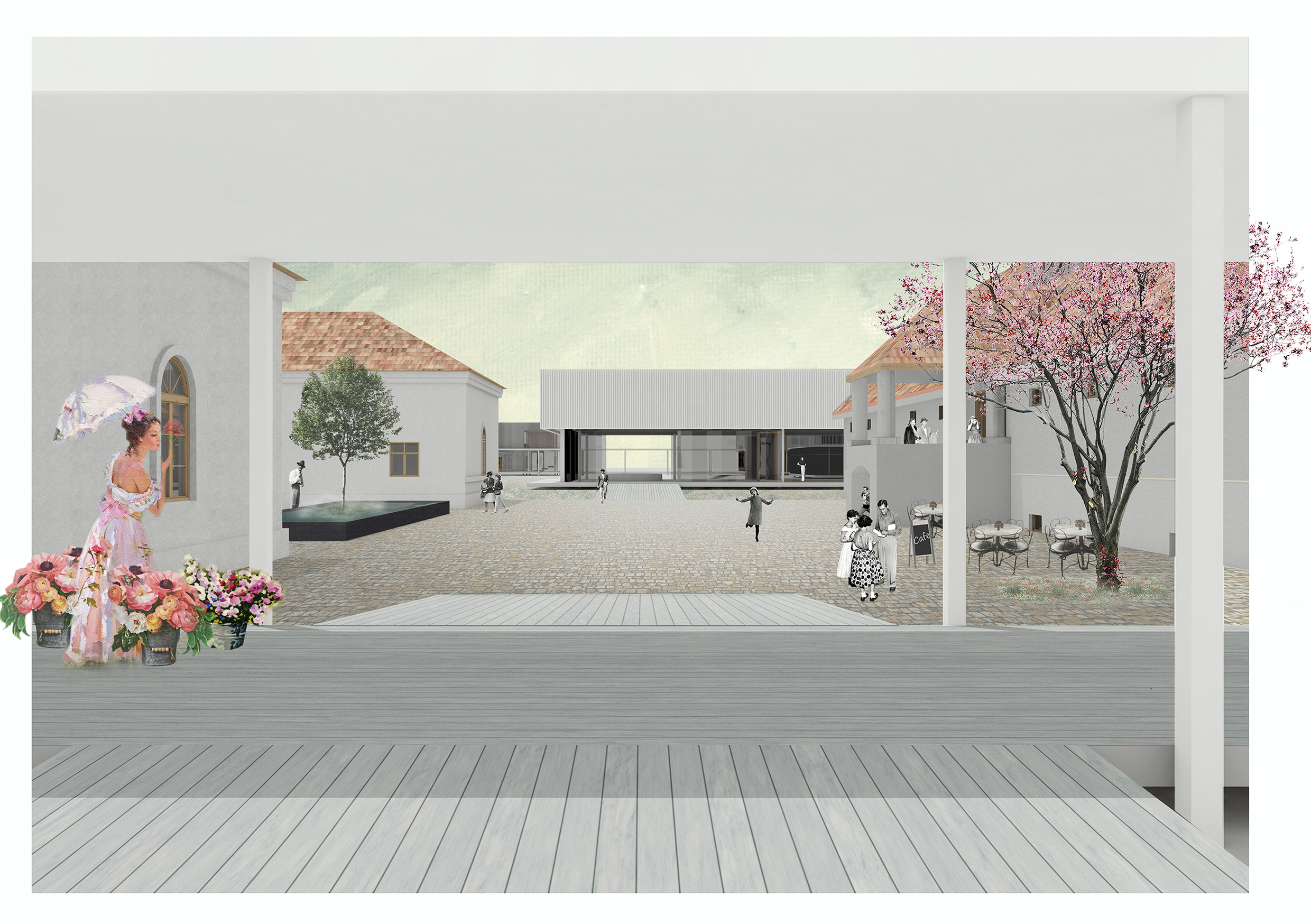
[A meeting place between history, people and bees]. This project represents a place that brings together people and the apiary, the place that connects the tourists with the honey and the way honey is made. This meeting takes place in a rural place, with a historical and cultural value, which helps to raise its potential.The project seeks to promote a sustainable development of the rural environment together with the protecting and promoting the existing historical heritage. Each element contributes to the sustainable development of the rural environment. The bees represent an essential element for the sustainability of the ecosystem, the history like an essential element for economic sustainability and the people for the social sustainability of the rural environment. According to the sustainable development approach, the project have to main guidelines for its functions, rural tourism and rural industry. For the touristic part, the project will include a touristic centre with spaces for accomodation, a restaurant, a cafe, and leisure spaces. Also, from an economical point of view, the buildings will have also a conference room, a room for workshops, spaces for team-building activities and a big multifunctional room for all kind of events. This multifunctional room, together with de library and the after school space could also be used by the local community. The place will also have a small expositional space for the history of the family and the castle and will have a connection with the other historical monument nearby which is also a museum. Besides tourism, for the enabling of the local economy, the project will also focus on rural industry. Therefore, the project will have a small industry part, a honey processing centre where there will be created different products based on honey or other apiarian products. Another layer for the sustainable development of the project would be its inclusivity, how the historical buildings and the new ones can be integral accessible and included in the life of the community. An adequate refunctionalisation could offer protection against degradation of the built heritage, and its inclusion in the life of the society would assure it’s preservation and sustenance. The challenge is to come with an inclusive solution that will become itself a part in the history of the monument, as a supplementary layer which will improve its accessibility and also respect its historical value
Author's presentation text
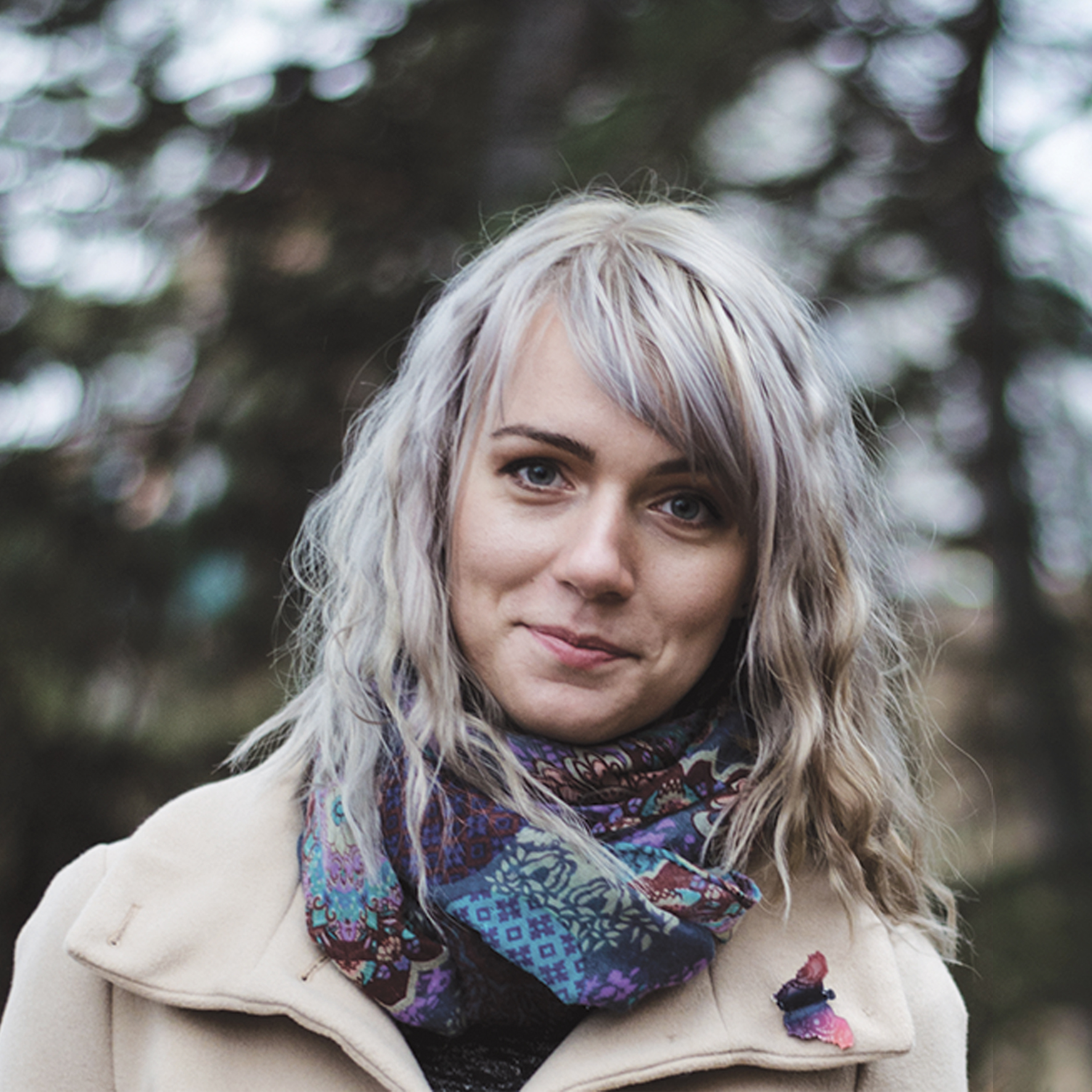
Luisa Maria Azamfirei graduated the Faculty of Architecture and Urban Planning from the Technical University of Cluj-Napoca. During her six years of university she travelled with two Erasmus scholarships for studies. One of them in the Netherlands for one semester at Windesheim University of Applied Science from Zwolle and the second one in Belgium at KU Leuven. For the 6th year internship she also travelled with an Erasmus internship scholarship and worked for A33 Architecten office also in Leuven, Belgium. Currently she is working as an architect for Mossfern office in Cluj-Napoca and also she is signed up to travel soon with an Erasmus for Young Entrepreneurs scholarship to Spain.