Graduation projects
Open Archive- The extention of the National Museum of Contemporary Art

Project description
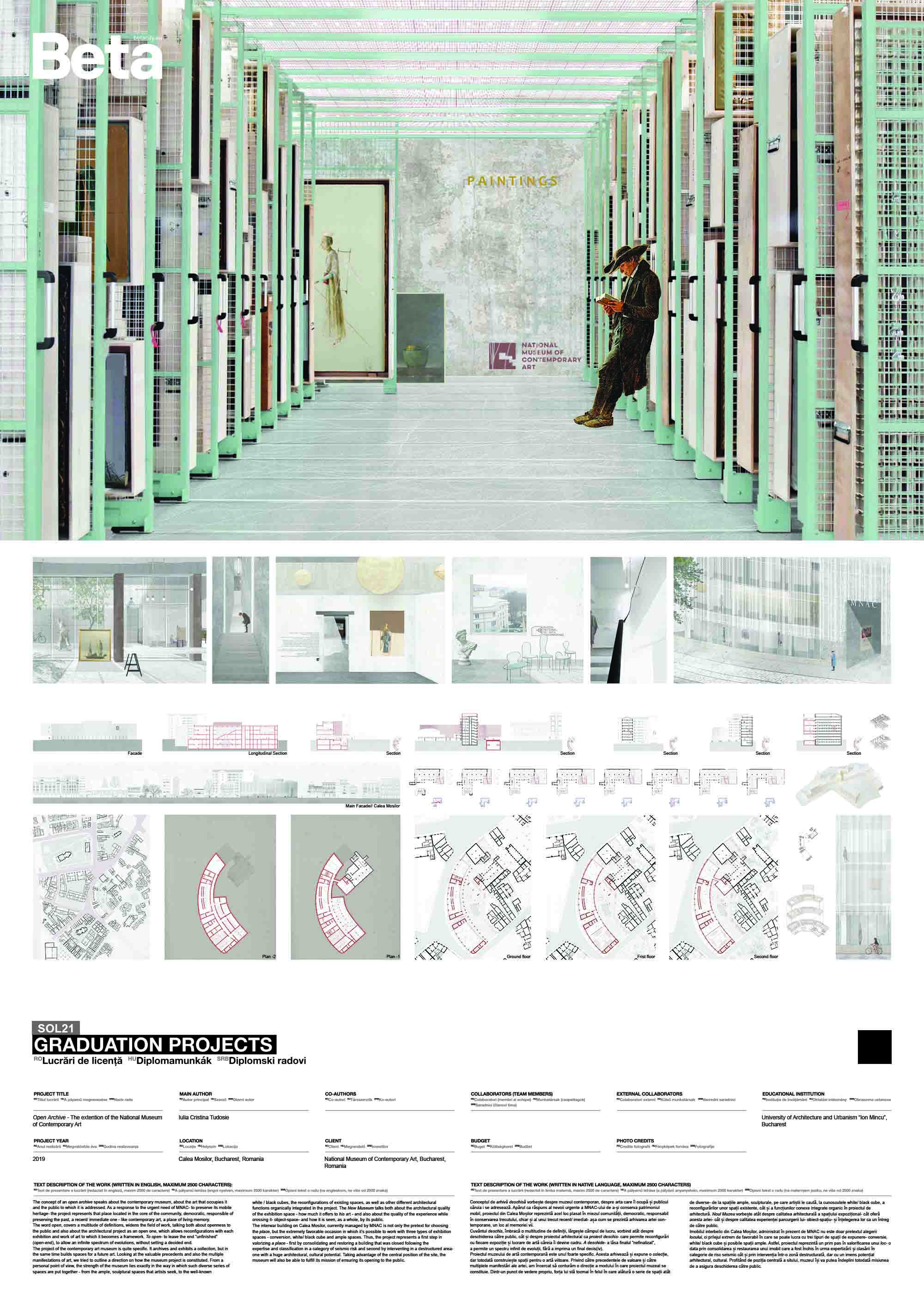
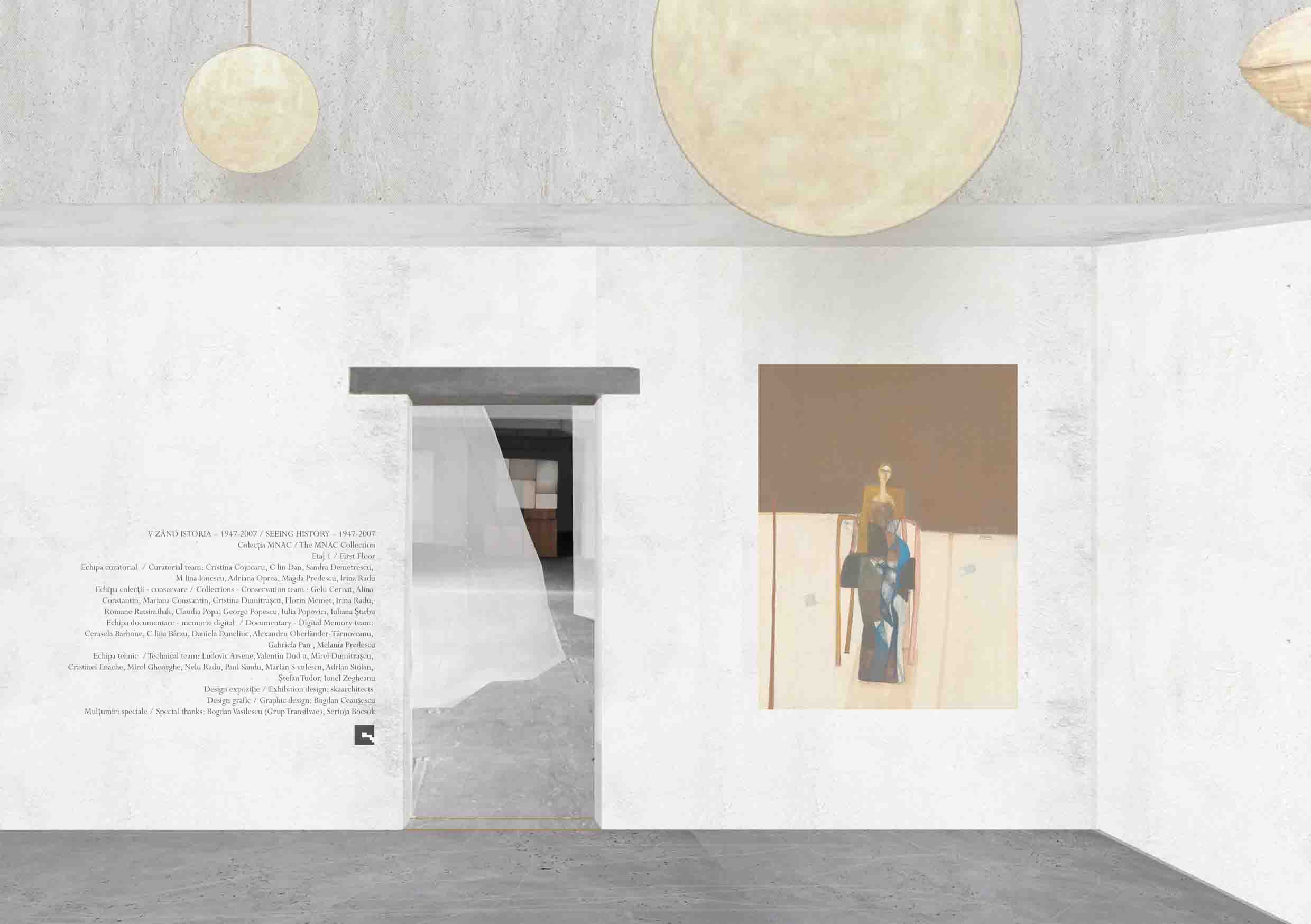
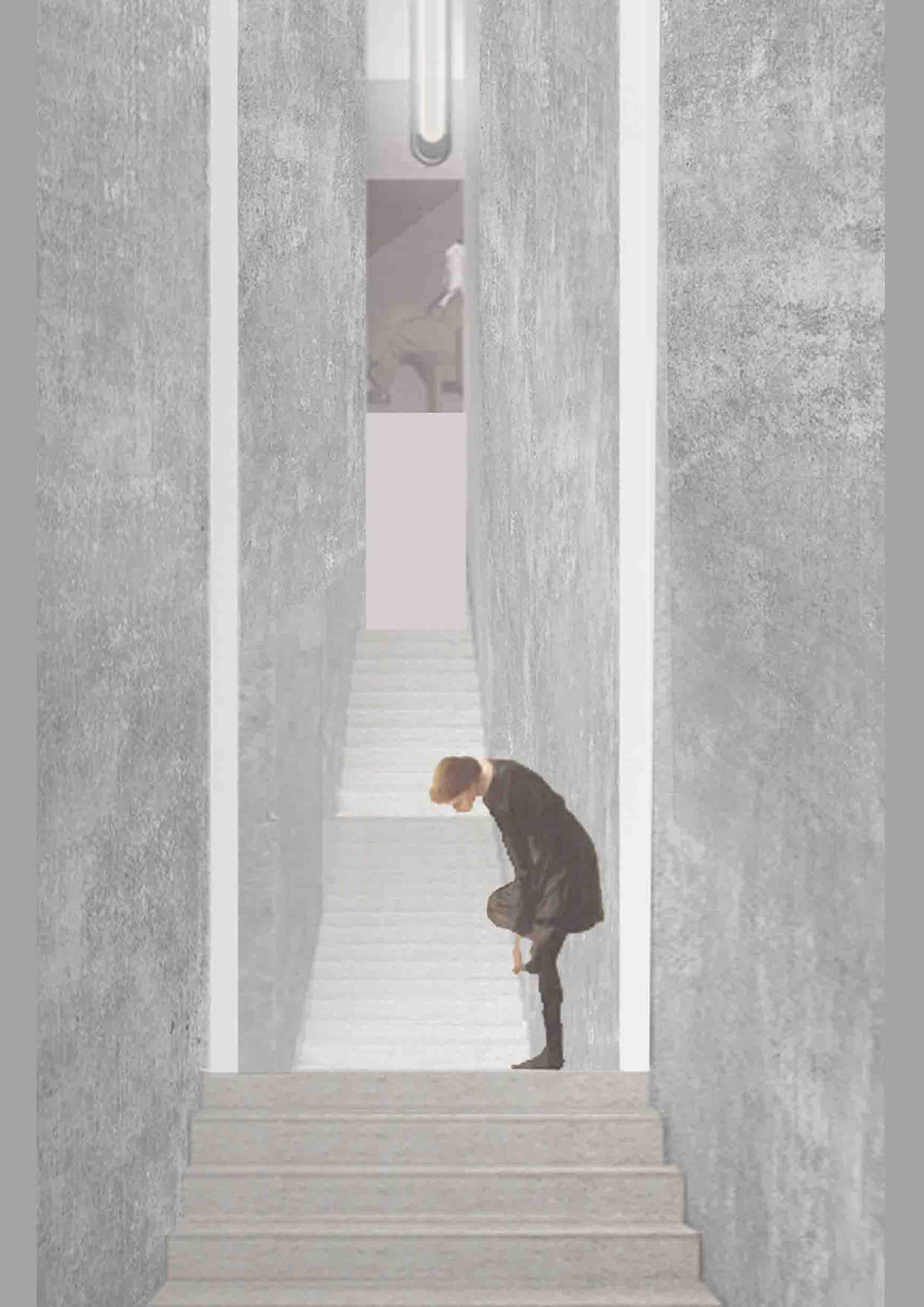
The concept of an open archive speaks about the contemporary museum, about the art that occupies it and the public to which it is addressed. As a response to the urgent need of MNAC- to preserve its mobile heritage- the project represents that place located in the core of the community, democratic, responsible of preserving the past, a recent/ immediate one - like contemporary art, a place of living memory. The word open, covers a multitude of definitions, widens the field of work, talking both about openness to the public and also about the architectural project as an open one, which allows reconfigurations with each exhibition and work of art to which it becomes a framework. To open- to leave the end “unfinished” (open-end), to allow an infinite spectrum of evolutions, without setting a decided end. The project of the contemporary art museum is quite specific. It archives and exhibits a collection, but in the same time builds spaces for a future art. Looking at the valuable precedents and also the multiple manifestations of art, we tried to outline a direction on how the museum project is constituted. From a personal point of view, the strength of the museum lies exactly in the way in which such diverse series of spaces are put together - from the ample, sculptural spaces that artists seek, to the well-known white/ black cubes, the reconfigurations of existing spaces, as well as other different architectural functions organically integrated in the project. The New Museum talks both about the architectural quality of the exhibition space - how much it offers to his art - and also about the quality of the experience while crossing it- object-space- and how it is seen, as a whole, by its public. The interwar building on Calea Mosilor, currently managed by MNAC is not only the pretext for choosing the place, but the extremely favorable occasion in which it’s possible to work with three types of exhibition spaces - conversion, white/ black cube and ample spaces. Thus, the project represents a first step in valorizing a place - first by consolidating and restoring a building that was closed following the expertise and classification in a category of seismic risk and second by interventing in a destructured area- one with a huge architectural, cultural potential. Taking advantage of the central position of the site, the museum will also be able to fulfill its mission of ensuring its opening to the public.
Author's presentation text
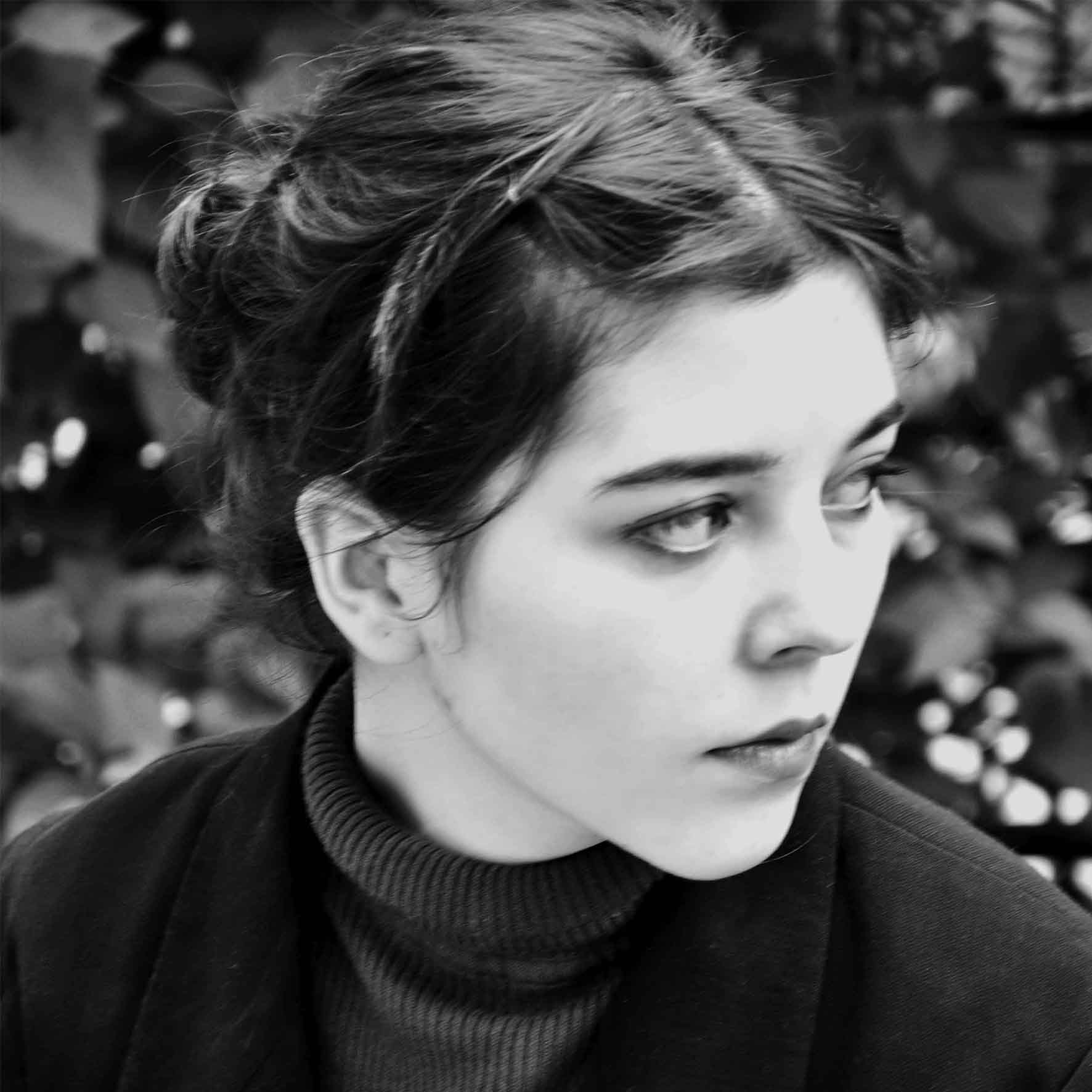
Iulia Cristina Tudosie studied architecture at UAUIM, Bucharest. She was a former editor of an architectural journal Mazzocchioo (www.mazzocchioo.com) and a volunteer in several film festivals-Bucharest International Film Festival, Ploiesti International Film Festival, Les films de Cannes in Bucharest- experiences that strengthened the idea of bringing architecture closer to other forms of art.