Initiatives / Experiments / Visions
Acid mine drainage in Romanian open-pit mines

Project description
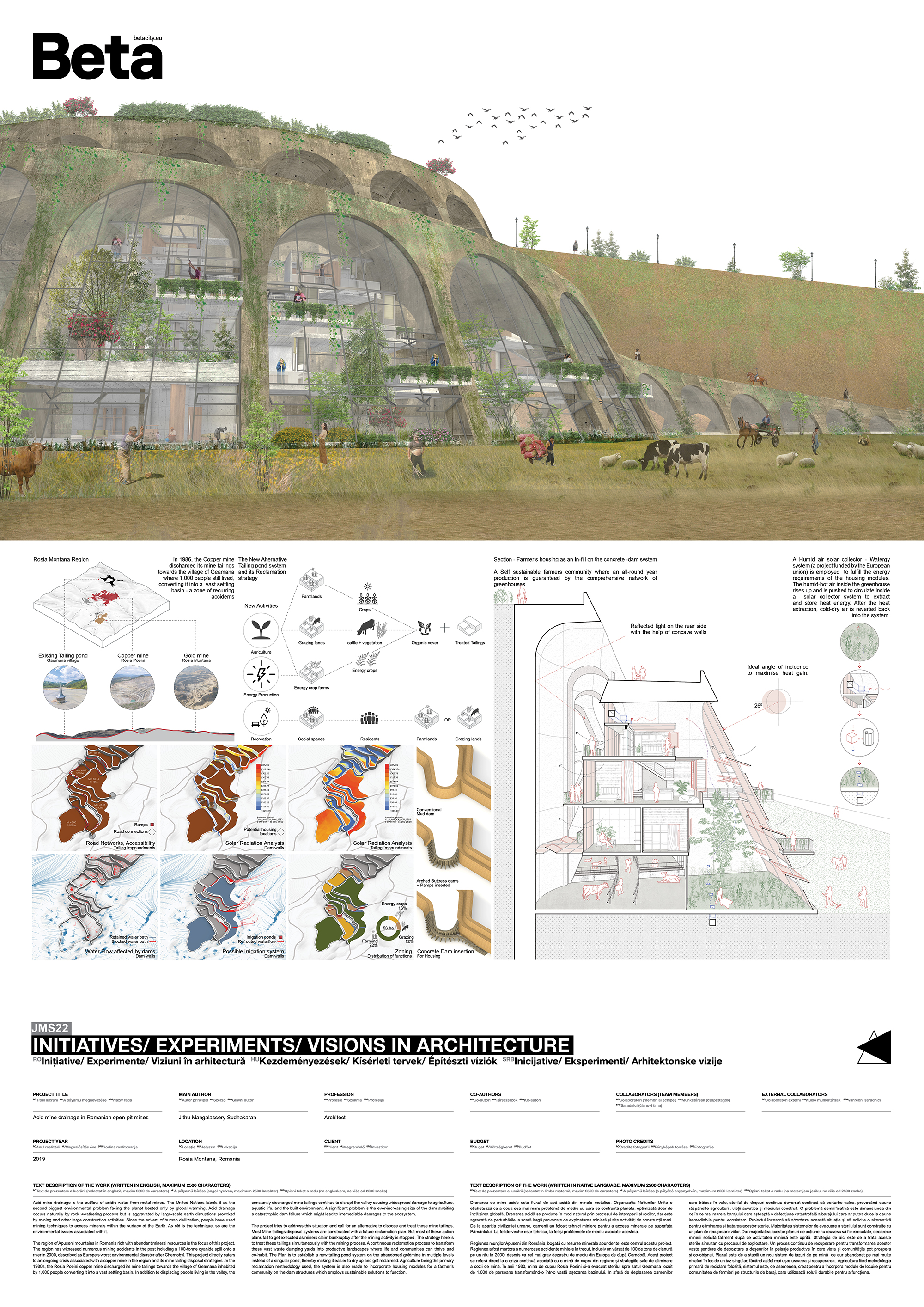
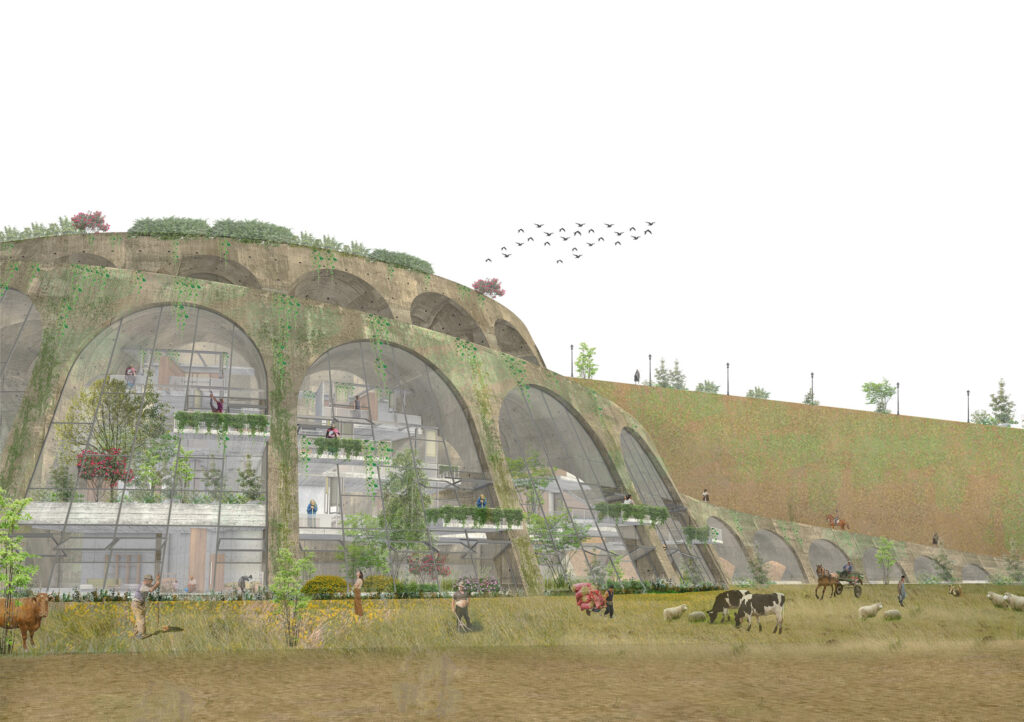
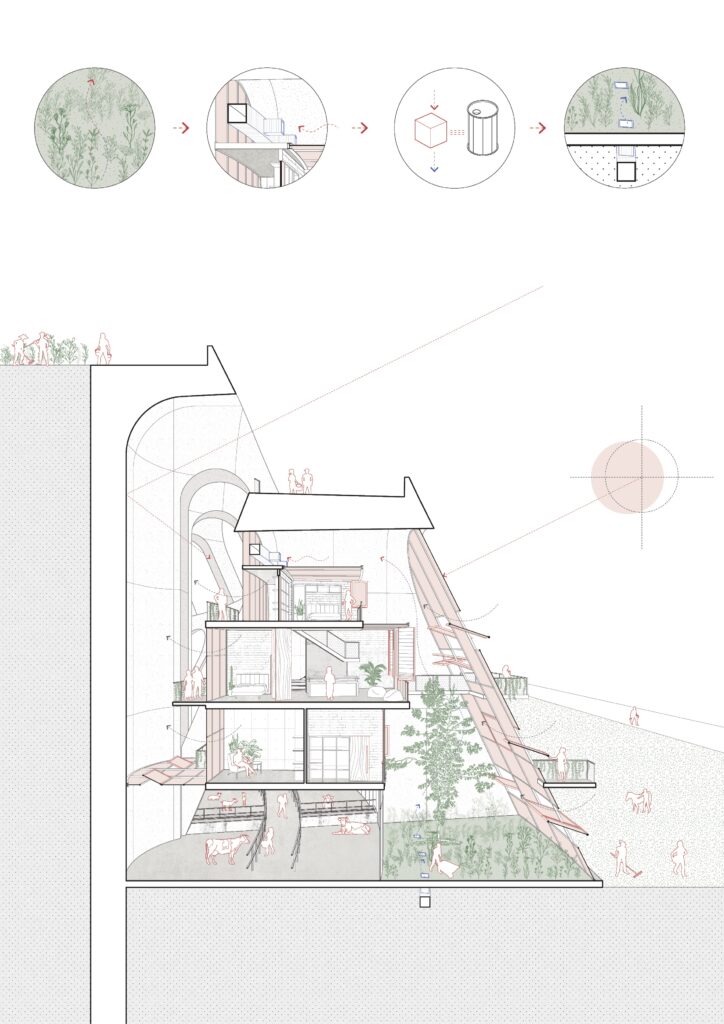
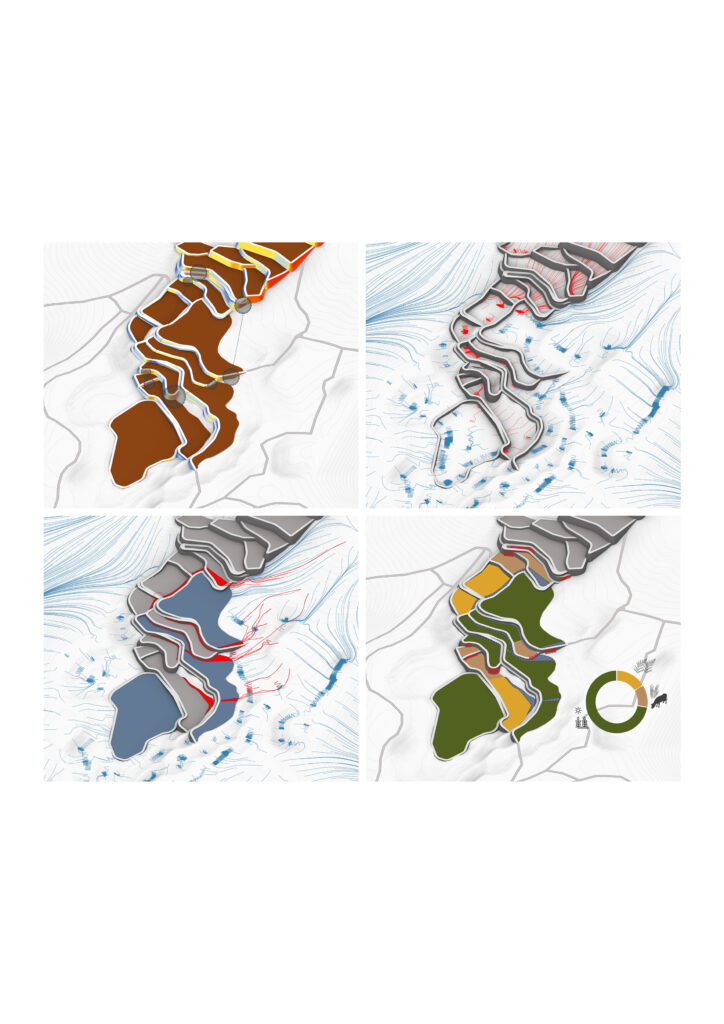
Acid mine drainage is the outflow of acidic water from metal mines. The United Nations labels it as the second biggest environmental problem facing the planet bested only by global warming. Acid drainage occurs naturally by rock weathering process but is aggravated by large-scale earth disruptions provoked by mining and other large construction activities. Since the advent of human civilization, people have used mining techniques to access minerals within the surface of the Earth. As old is the technique, so are the environmental issues associated with it. The region of Apuseni mountains in Romania rich with abundant mineral resources is the focus of this project. The region has witnessed numerous mining accidents in the past including a 100-tonne cyanide spill onto a river in 2000, described as Europe’s worst environmental disaster after Chernobyl. This project directly caters to an ongoing crisis associated with a copper mine in the region and its mine tailing disposal strategies .In the 1980s, the Rosia Poeini copper mine discharged its mine tailings towards the village of Geamana inhabited by 1,000 people converting it into a vast settling basin. In addition to displacing people living in the valley, the constantly discharged mine tailings continue to disrupt the valley causing widespread damage to agriculture, aquatic life, and the built environment. A significant problem is the ever-increasing size of the dam awaiting a catastrophic dam failure which might lead to irremediable damages to the ecosystem. The project tries to address this situation and call for an alternative to dispose and treat these mine tailings. Most Mine tailings disposal systems are constructed with a future reclamation plan. But most of these action plans fail to get executed as miners claim bankruptcy after the mining activity is stopped. The strategy here is to treat these tailings simultaneously with the mining process. A continuous reclamation process to transform these vast waste dumping yards into productive landscapes where life and communities can thrive and co-habit. The Plan is to establish a new tailing pond system on the abandoned goldmine in multiple levels instead of a singular pond, thereby making it easier to dry up and get reclaimed. Agriculture being the primary reclamation methodology used, the system is also made to incorporate housing modules for a farmer’s community on the dam structures which employs sustainable solutions to function.
Author's presentation text
I, Jithu Mangalassery Sudhakaran is an Indian Architect who recently graduated with Master’s in Architecture- Built Environment -Interiors from Politecnico di Milano, Italy. Having completed my bachelor’s degree in 2014, I worked for the architecture firm Praxis Inc. for a period of 2.5 years before joining Politecnico.