Graduation projects
Completing the patrimonial experience of Hârtibaciului Valley by reactivating the narrow gauge line Sibiu-Sighișoara


Project description
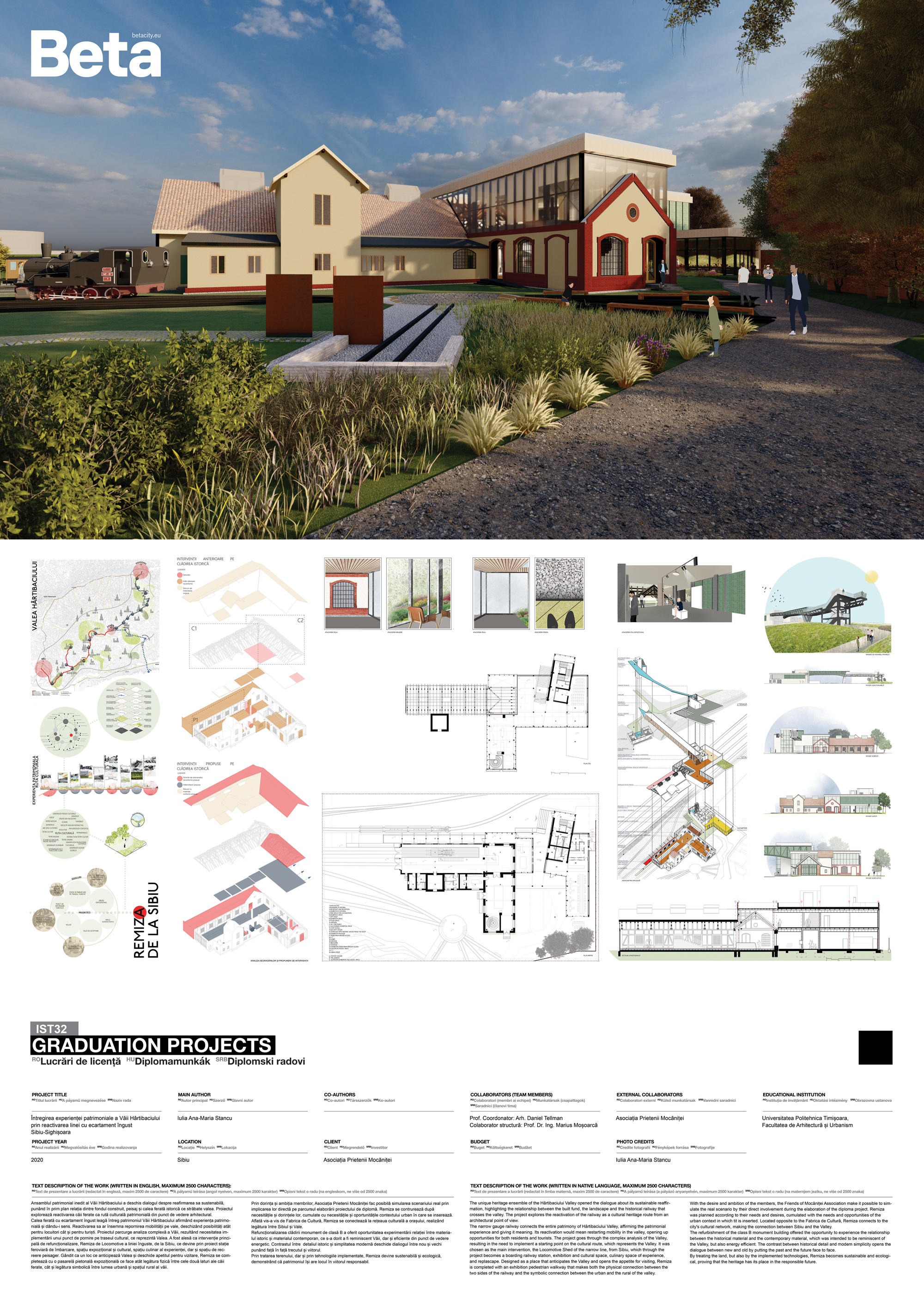
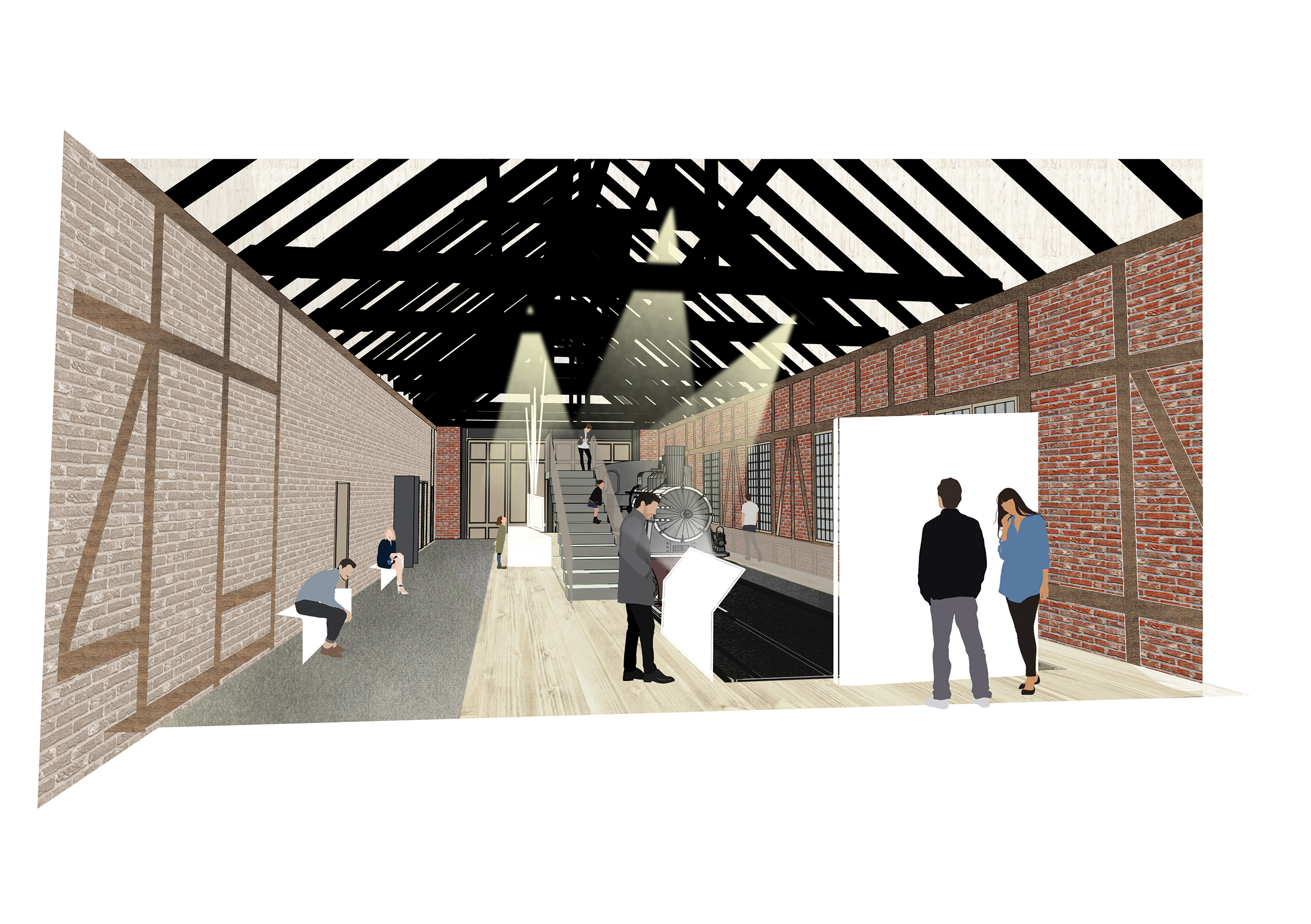
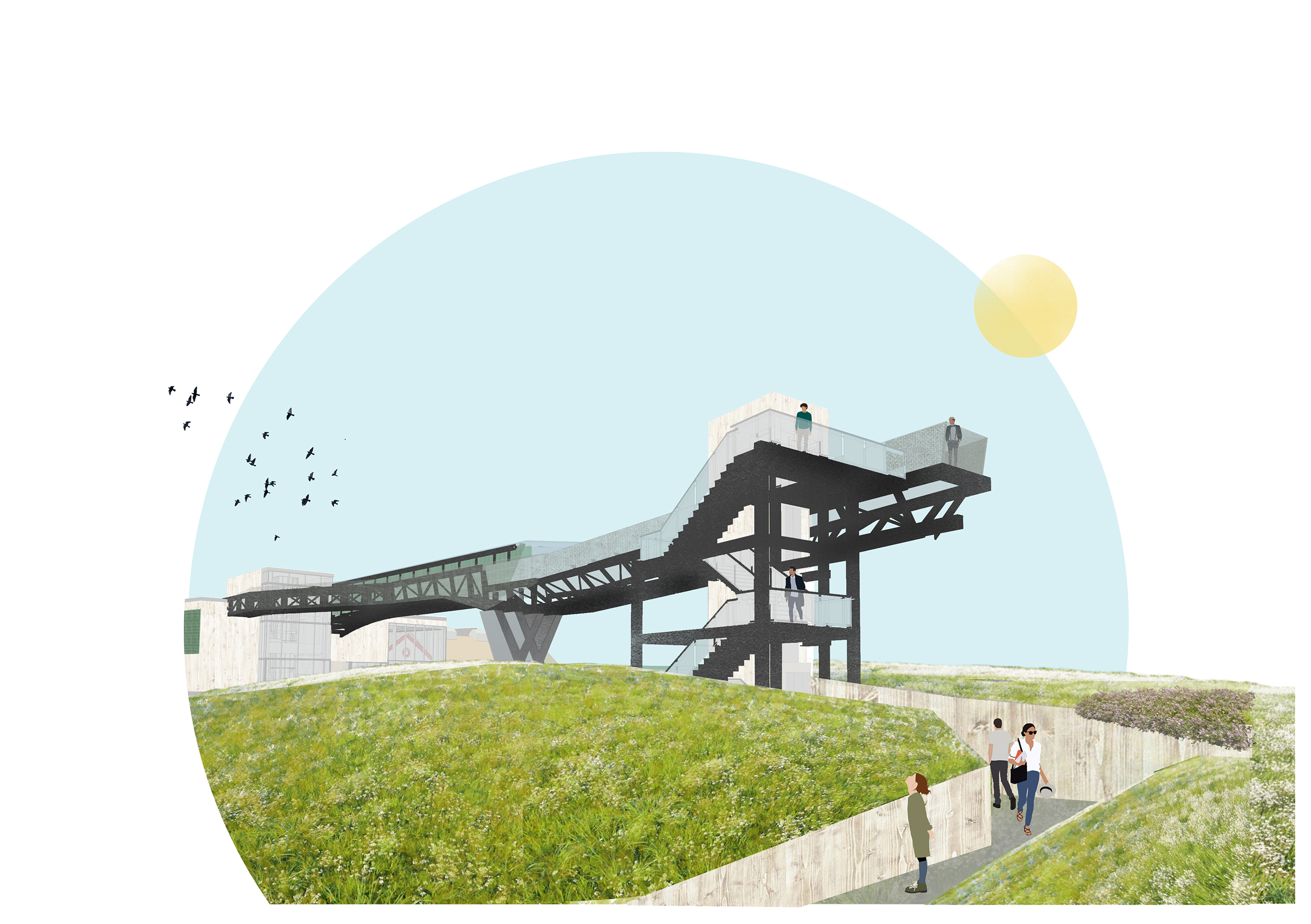
The unique heritage ensemble of the Hârtibaciului Valley opened the dialogue about its sustainable reaffirmation, highlighting the relationship between the built fund, the landscape and the historical railway that crosses the valley. The project explores the reactivation of the railway as a cultural heritage route from an architectural point of view. The narrow gauge railway connects the entire patrimony of Hârtibaciului Valley, affirming the patrimonial experience and giving it meaning. Its reactivation would mean restarting mobility in the valley, opening up opportunities for both residents and tourists. The project goes through the complex analysis of the Valley, resulting in the need to implement a starting point on the cultural route, which represents the Valley. It was chosen as the main intervention, the Locomotive Shed of the narrow line, from Sibiu, which through the project becomes a boarding railway station, exhibition and cultural space, culinary space of experience, and replascape. Designed as a place that anticipates the Valley and opens the appetite for visiting, Remiza is completed with an exhibition pedestrian walkway that makes both the physical connection between the two sides of the railway and the symbolic connection between the urban and the rural of the valley. With the desire and ambition of the members, the Friends of Mocăniței Association make it possible to simulate the real scenario by their direct involvement during the elaboration of the diploma project. Remiza was planned according to their needs and desires, cumulated with the needs and opportunities of the urban context in which tit is inserted. Located opposite to the Fabrica de Cultură, Remiza connects to the city's cultural network, making the connection between Sibiu and the Valley. The refurbishment of the class B monument building offered the opportunity to experience the relationship between the historical material and the contemporary material, which was intended to be reminiscent of the Valley, but also energy efficient. The contrast between historical detail and modern simplicity opens the dialogue between new and old by putting the past and the future face to face. By treating the land, but also by the implemented technologies, Remiza becomes sustainable and ecological, proving that the heritage has its place in the responsible future.
Author's presentation text
Being a student of the Faculty of Architecture and Urbanism Timișoara, I discovered my passion for heritage through internships and travel. Through the final project I understood the complexity of the patrimonial ensembles that involve more than architecture, opening my appetite for challenges and the unknown.