Initiatives / Experiments / Visions
Shrinking Cities in Romania
Project description
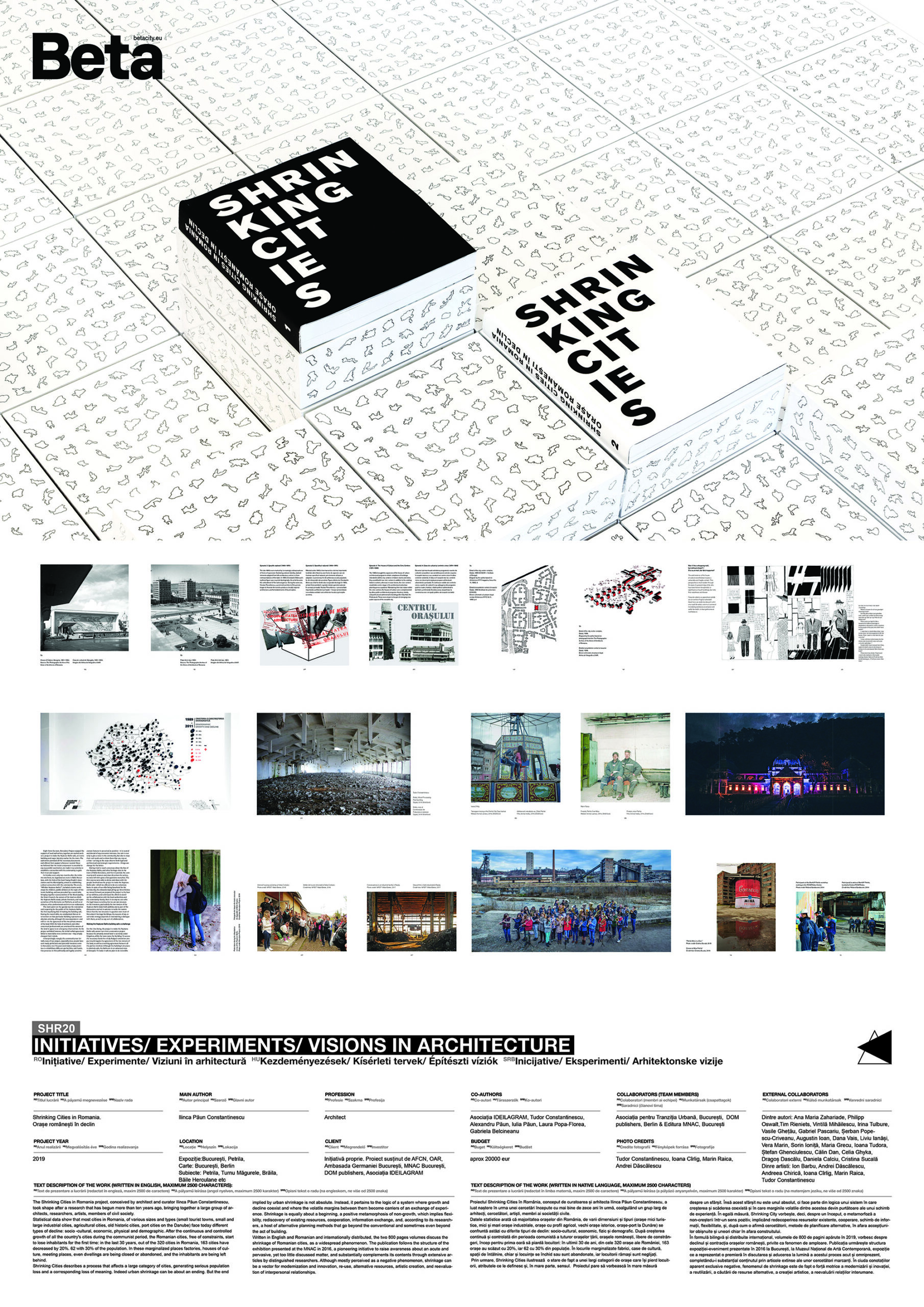
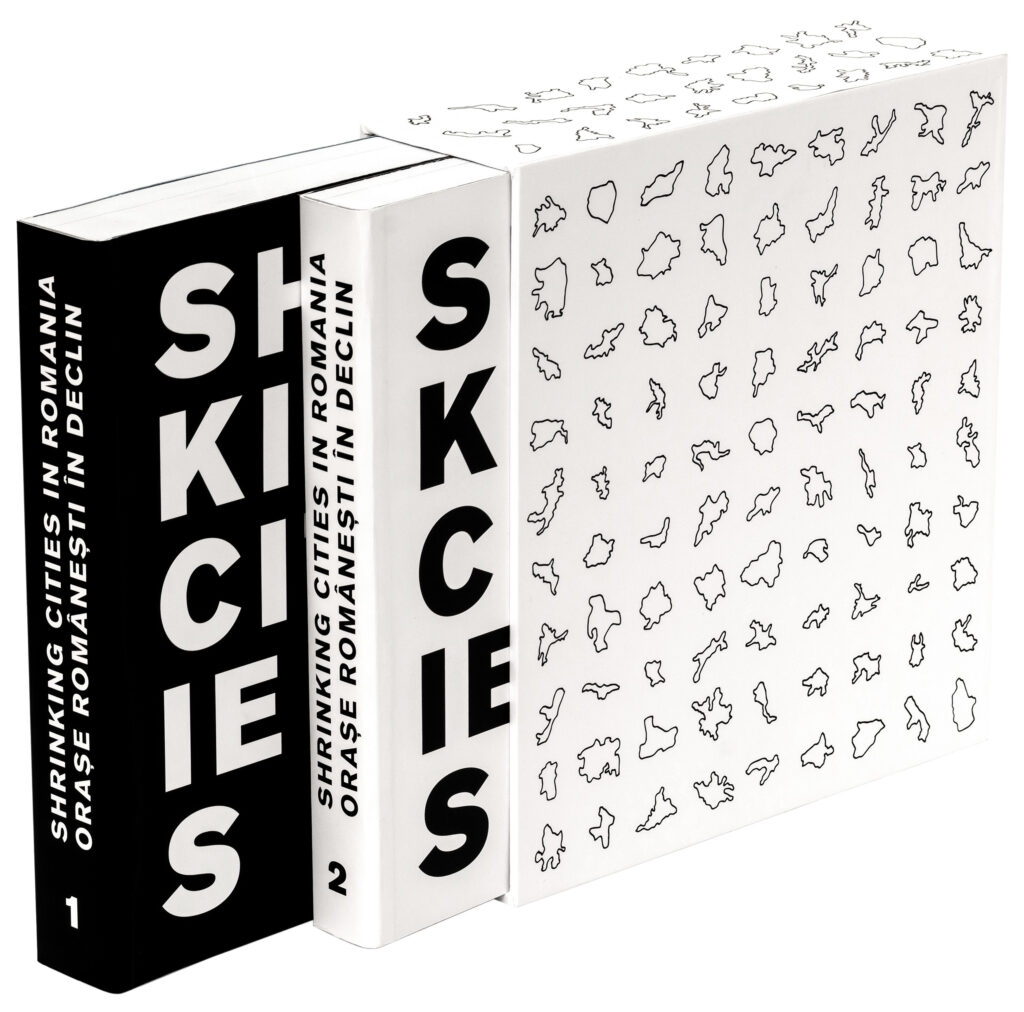
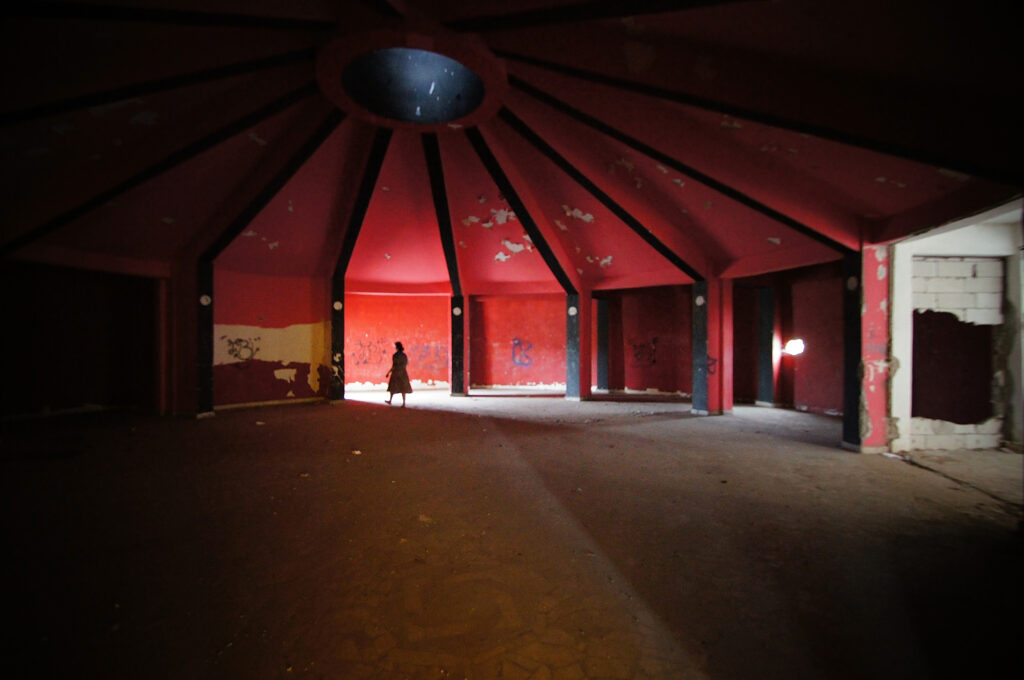
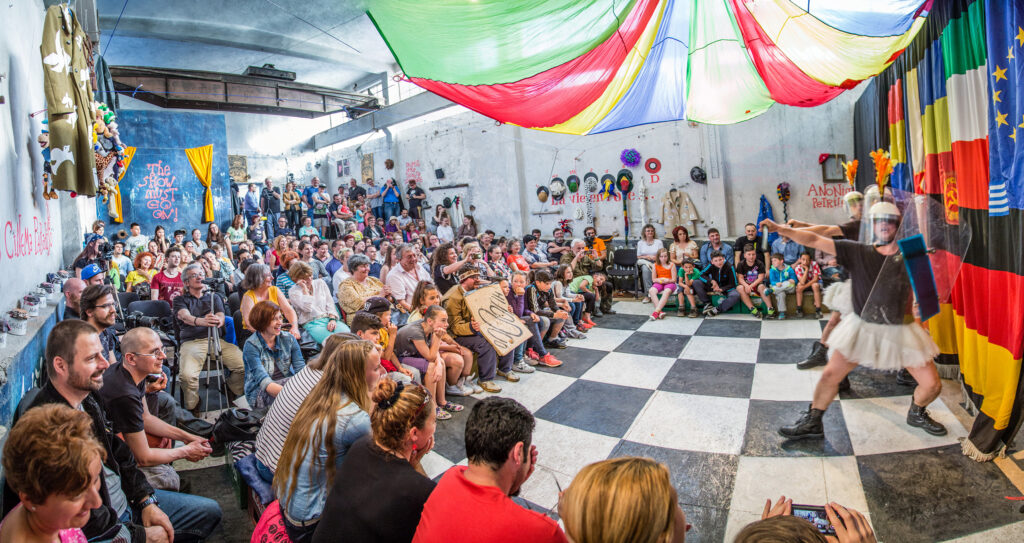
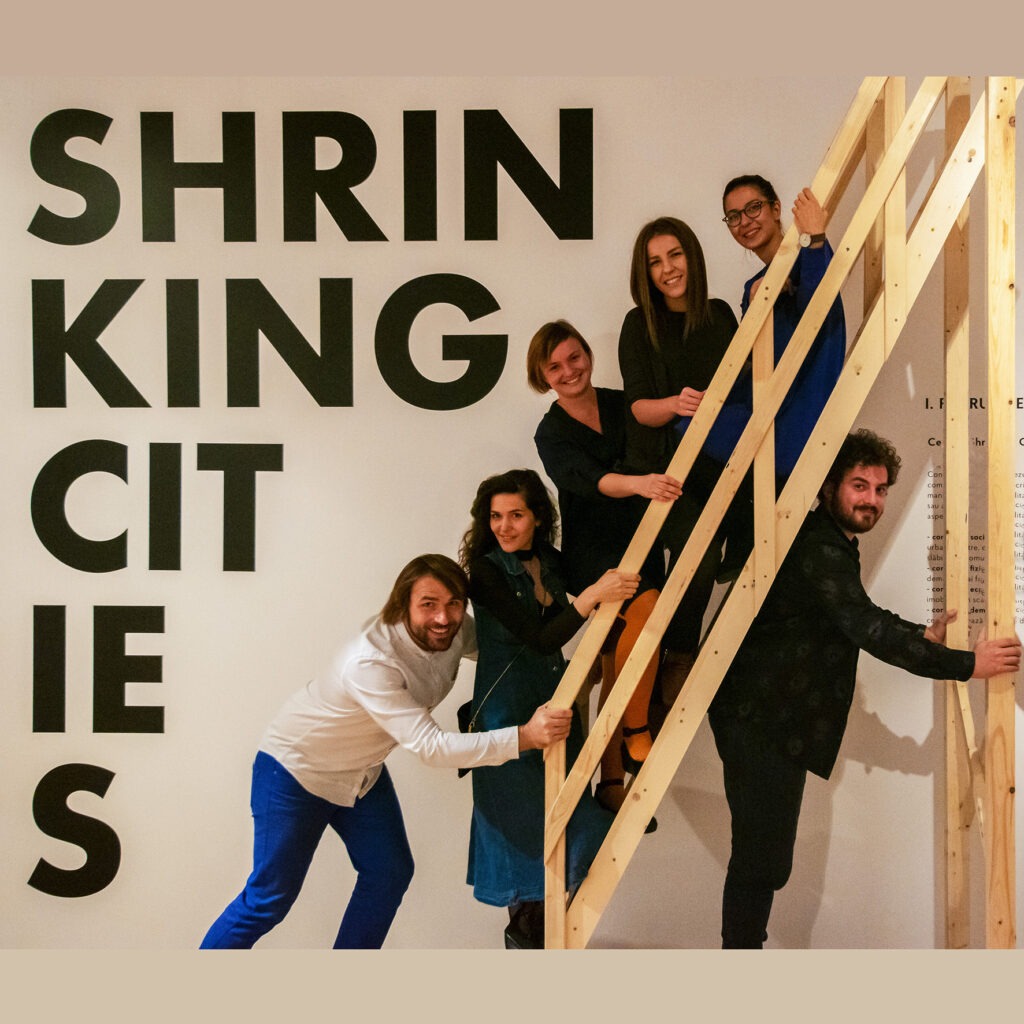
The Shrinking Cities in Romania project, conceived by architect and curator Ilinca Păun Constantinescu, took shape after a research that has begun more than ten years ago, bringing together a large group of architects, researchers, artists, members of civil society.Statistical data show that most cities in Romania, of various sizes and types (small tourist towns, small and large industrial cities, agricultural cities, old historic cities, port cities on the Danube) face today different types of decline: socio -cultural, economic, physical and demographic. After the continuous and controlled growth of all the country's cities during the communist period, the Romanian cities, free of constraints, start to lose inhabitants for the first time: in the last 30 years, out of the 320 cities in Romania, 163 cities have decreased by 20%. 62 with 30% of the population. In these marginalized places factories, houses of culture, meeting places, even dwellings are being closed or abandoned, and the inhabitants are being left behind.Shrinking Cities describes a process that affects a large category of cities, generating serious population loss and a corresponding loss of meaning. Indeed urban shrinkage can be about an ending. But the end implied by urban shrinkage is not absolute. Instead, it pertains to the logic of a system where growth and decline coexist and where the volatile margins between them become carriers of an exchange of experience. Shrinkage is equally about a beginning, a positive metamorphosis of non-growth, which implies flexibility, rediscovery of existing resources, cooperation, information exchange, and, according to its researchers, a host of alternative planning methods that go beyond the conventional and sometimes even beyond the act of building.Written in English and Romanian and internationally distributed, the two 800 pages volumes discuss the shrinkage of Romanian cities, as a widespread phenomenon. The publication follows the structure of the exhibition presented at the MNAC in 2016, a pioneering initiative to raise awareness about an acute and pervasive, yet too little discussed matter, and substantially complements its contents through extensive articles by distinguished researchers. Although mostly perceived as a negative phenomenon, shrinkage can be a vector for modernization and innovation, re-use, alternative resources, artistic creation, and reevaluation of interpersonal relationships.
Author's presentation text
IDEILAGRAM puts into practice, through architecture, urban planning and other creative environments, micro or macro ideas for Romanian urban and rural communities. Its purpose is to coagulate an interdisciplinary research network of activation and intervention methods in problematic urban contexts.Research and curatorial projects: Shrinking Cities. orașe românești în declin (since 2009 ) On Housing. Collective Housing: In-Between Product and Process (Halele Timco, Timișoara, 2018—Uranus Now, MNAC, Parcul Izvor și curtea Casei Academiei (2019-2020)Exhibition design, event scenographyExpoziții/ exhibitions Uranus ACUM / Uranus Now (MNAC, 2019) Specii de Spații / Especes d’espaces (MNAR 2019) On Housing. Collective Housing: In-Between Product and Process (2018)