Initiatives / Experiments / Visions
A medieval village reconstruction. From a Scratch to Future Perspectives.

Project description
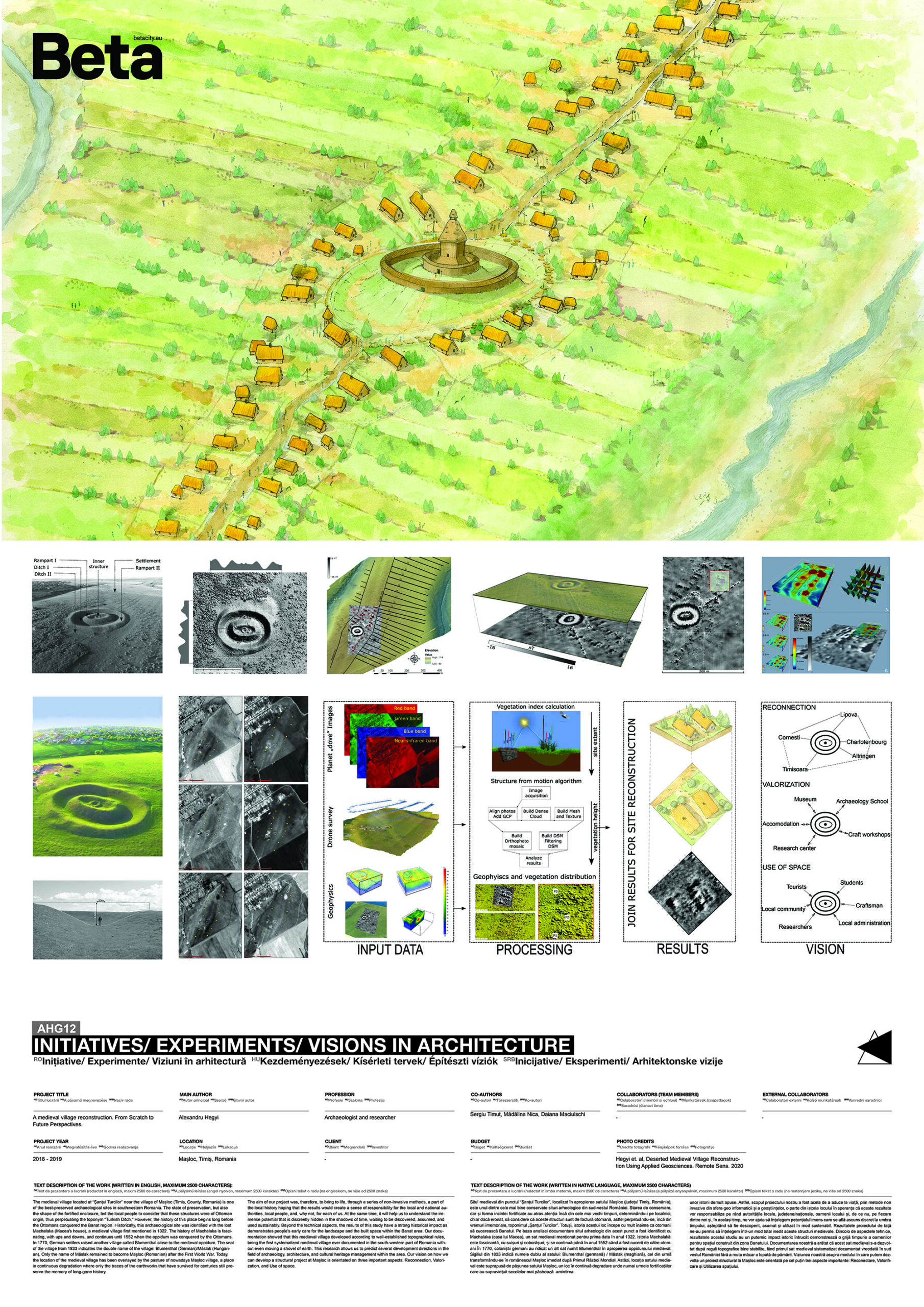
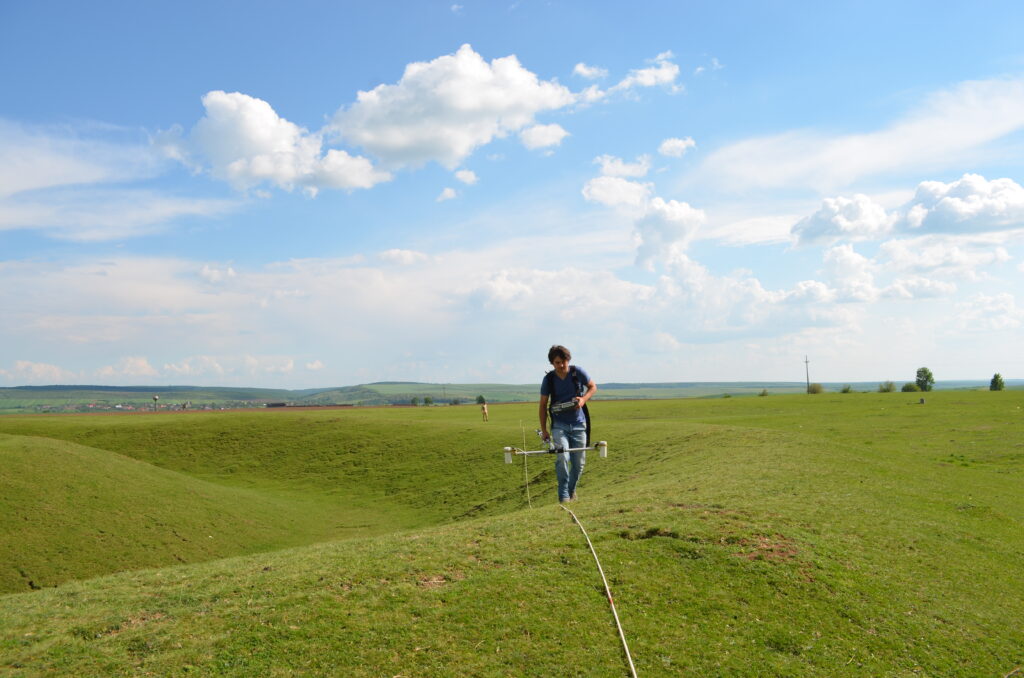
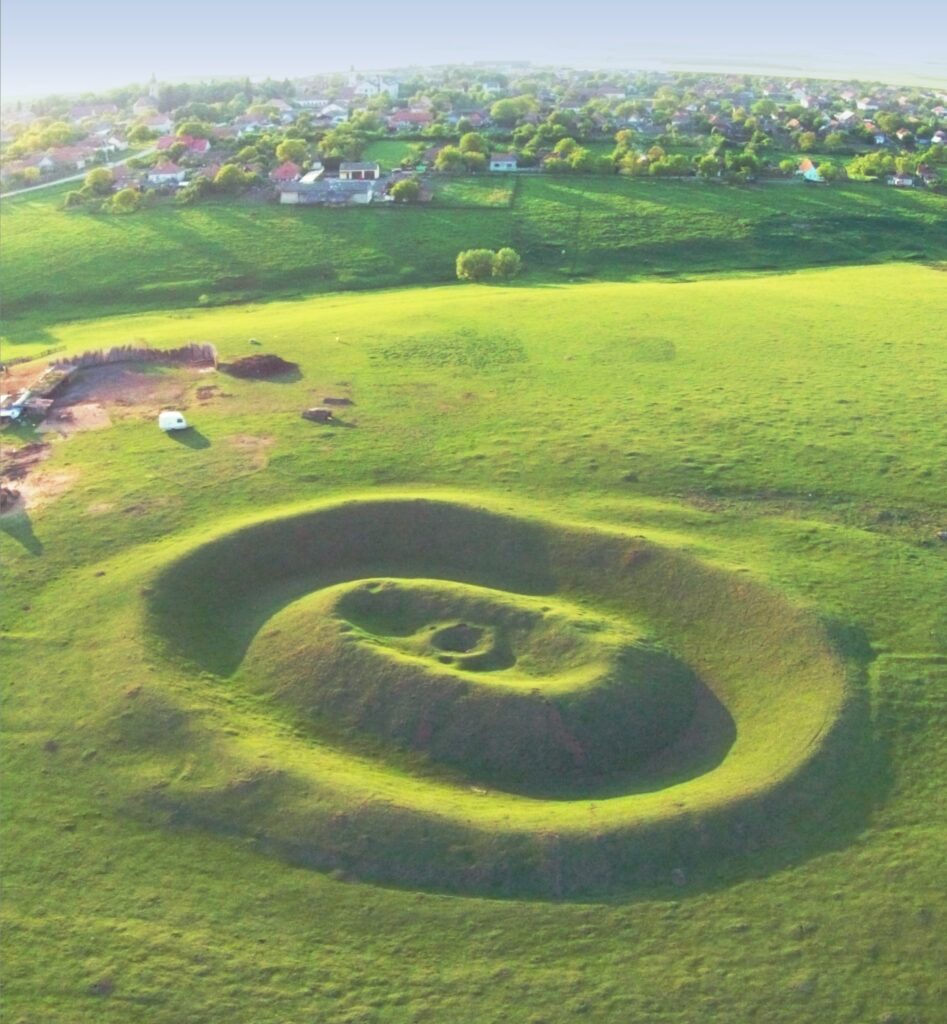
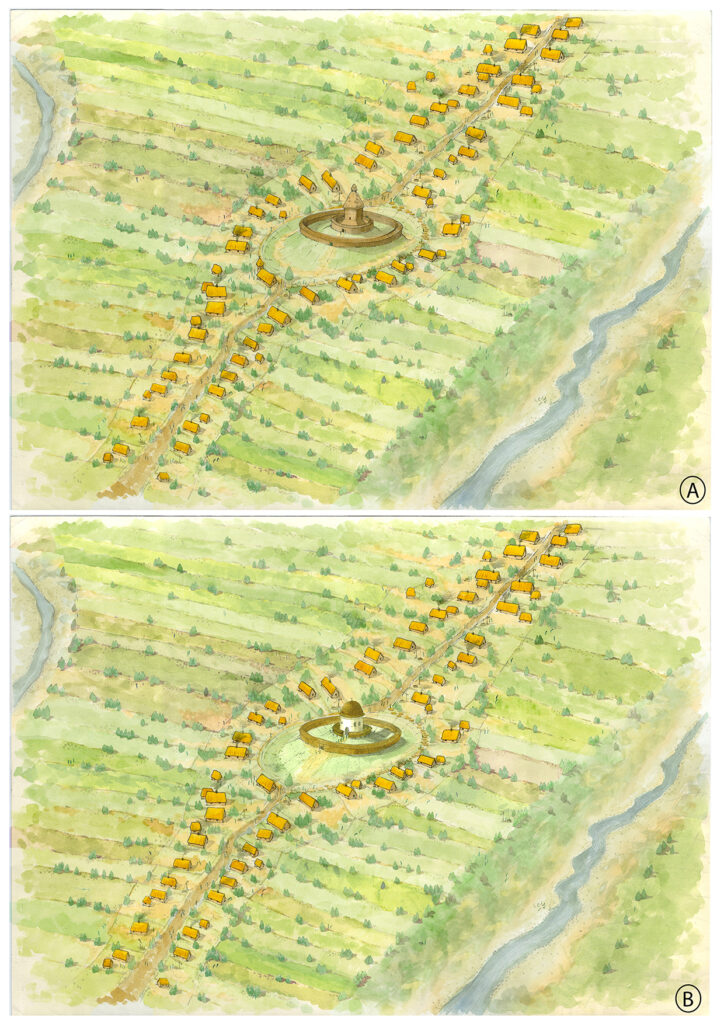
The medieval village located at “Șanțul Turcilor” near the village of Mașloc (Timis, County, Romania) is one of the best-preserved archaeological sites in southwestern Romania. The state of preservation, but also the shape of the fortified enclosure, led the local people to consider that these structures were of Ottoman origin, thus perpetuating the toponym "Turkish Ditch." However, the history of this place begins long before the Ottomans conquered the Banat region. Historically, this archaeological site was identified with the lost Machalaka (Macea's house), a medieval village first mentioned in 1322. The history of Machalaka is fascinating, with ups and downs, and continues until 1552 when the oppidum was conquered by the Ottomans. In 1770, German settlers raised another village called Blumenthal close to the medieval oppidum. The seal of the village from 1833 indicates the double name of the village: Blumenthal (German)/Máslak (Hungarian). Only the name of Máslak remained to become Maşloc (Romanian) after the First World War. Today, the location of the medieval village has been overlayed by the pasture of nowadays Mașloc village, a place in continuous degradation where only the traces of the earthworks that have survived for centuries still preserve the memory of long-gone history. The aim of our project was, therefore, to bring to life, through a series of non-invasive methods, a part of the local history hoping that the results would create a sense of responsibility for the local and national authorities, local people, and, why not, for each of us. At the same time, it will help us to understand the immense potential that is discreetly hidden in the shadows of time, waiting to be discovered, assumed, and used sustainably. Beyond the technical aspects, the results of this study have a strong historical impact as demonstrates people’s early care for the landscape and the built space within the Banat area. Our documentation showed that this medieval village developed according to well-established topographical rules, being the first systematized medieval village ever documented in the south-western part of Romania without even moving a shovel of earth. This research allows us to predict several development directions in the field of archaeology, architecture, and cultural heritage management within the area. Our vision on how we can develop a structural project at Mașloc is orientated on three important aspects: Reconnection, Valorization, and Use of space.
Author's presentation text
ALEXANDRU HEGYI is an archaeologist and researcher. He studied at Western University of Timișoara, Romania, where he earned his Bachelor’s degree in Archaeology and History and his Master's degree in Interdisciplinary Archaeology. He continued his studies at the same university's Department of Geography, where he was awarded his doctorate in 2018. He is involved in research related to applied geosciences and interdisciplinarity approaches in archaeological research.